
Takoda Construction Blog
The Complete Guide to Remodeling Permits in Orinda, Lafayette & Moraga: What Every Lamorinda Homeowner Needs to Know in 2026
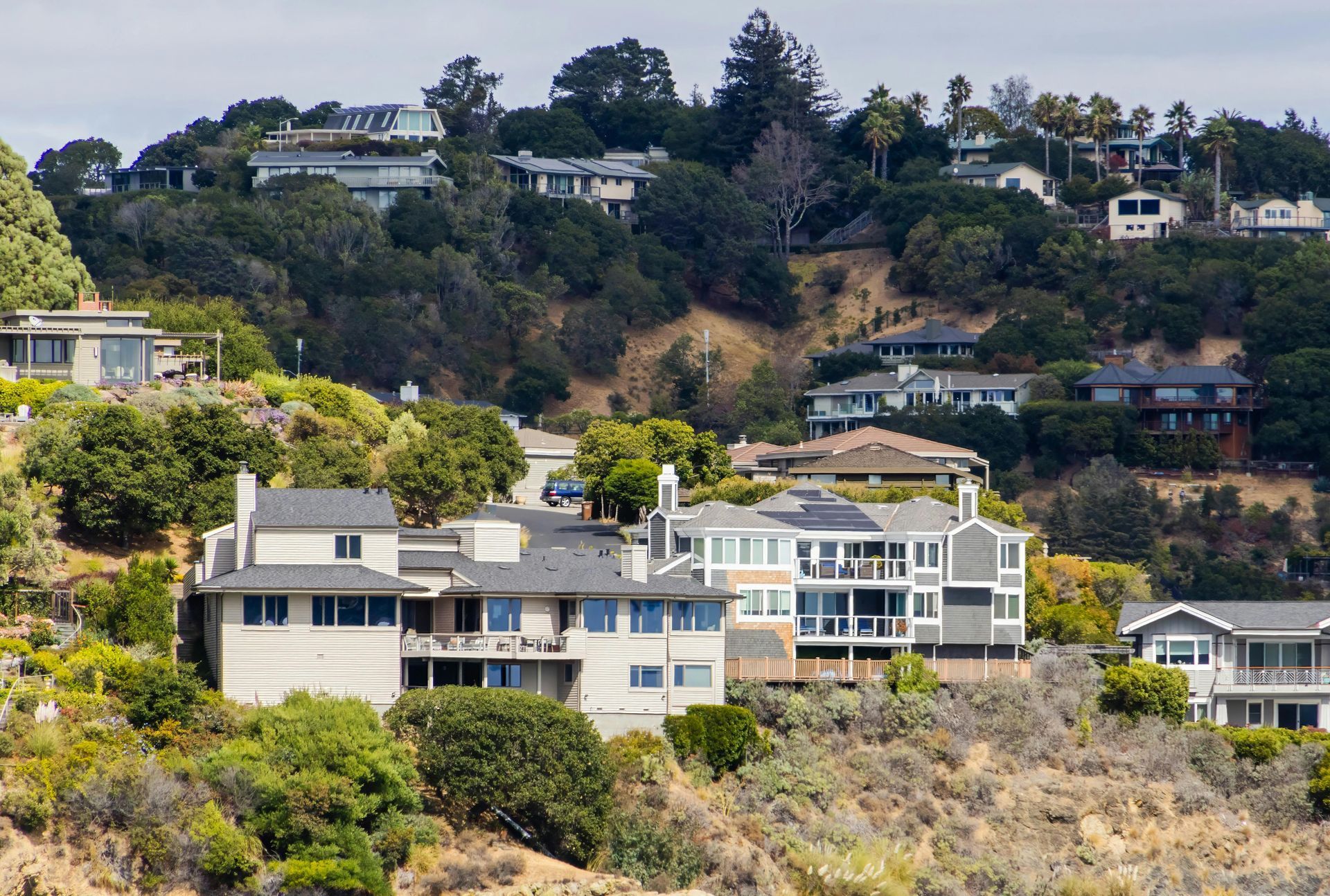
If you're planning a kitchen remodel, bathroom renovation, home addition, or ADU in Orinda, Lafayette, or Moraga, you've probably already run into a confusing reality: these three cities handle permits differently than most of California.
Unlike Oakland, Berkeley, or Walnut Creek — which each run their own building departments — the cities of Orinda, Lafayette, and Moraga all contract with Contra Costa County for building permit issuance and inspections. But each city still runs its own Planning Department, which reviews your project first before it ever reaches the County.
This split creates confusion. Homeowners get caught in a back-and-forth between city Planning offices and the County Building Department, often without realizing where their permit application is sitting or what's holding it up.
This guide walks you through everything you need to know about the Lamorinda permit process: what requires a permit, how each city's Planning Department works, what the County Building Department handles, typical timelines, common pitfalls unique to Lamorinda's hillside homes, and how to avoid costly mistakes.
Why Lamorinda Permits Are Different
Most East Bay cities run their own building departments — Oakland has its own, Berkeley has its own, Walnut Creek has its own. Not Lamorinda.
Orinda, Lafayette, and Moraga all signed agreements with Contra Costa County to handle building permits and inspections. Each city kept its own Planning Department to handle zoning, design review, and local land-use decisions — but the actual building permit gets issued by the County, not the city.
Here's how it works in practice:
1. You (or your contractor) submit your project to your city's Planning Department first. They review zoning, setbacks, design compatibility, and any local overlays.
2. Once Planning approves, you submit to Contra Costa County Building Department for structural, electrical, plumbing, mechanical, and code compliance review.
3. Inspections happen by Contra Costa County inspectors — not city inspectors.
If you're new to the area or used to working in cities with unified building departments, this two-step process can be surprising. Many homeowners submit directly to the County and get their application bounced back because they skipped the city Planning step.
What Requires a Permit in Lamorinda
Almost all construction work requires a permit. According to Contra Costa County, permits are required for — but not limited to:
• New structures and demolitions
• Additions and alterations
• Interior and exterior remodels
• Kitchen remodels involving electrical, plumbing, or structural changes
• Bathroom remodels involving plumbing or electrical modifications
• Electrical panel upgrades
• New water or gas lines
• Foundation repairs
• Grading work
• Decks, carports, garages, pergolas, and pavilions
• Outdoor kitchens
• Pools and spas
• ADUs (Accessory Dwelling Units) and Junior ADUs
• Solar panels and energy storage systems
• Backup generators
Some small projects don't need a permit — minor cosmetic work like painting, replacing flooring, or installing cabinets without plumbing or electrical changes typically doesn't require one. But the line between "permit required" and "permit exempt" is narrower than most homeowners think. When in doubt, check with the city Planning Department.
The Orinda Planning Process
Planning Department Contact
Phone: (925) 253-4210
Website: cityoforinda.org
What Orinda Planning Reviews
Every project requiring a building permit must first pass through the Orinda Planning Department, unless it falls under the city's "Projects Exempt from Planning Review" list. Planning checks for:
• Zoning compliance with the Orinda Municipal Code
• Waste Management Plan compliance
• Design Review for projects visible from public streets
• Elevated Deck Permits for decks over 30 inches off the ground
• Exception Permits for work in setback areas or near creeks
• Hillside Grading Permits for projects on slopes
Orinda-Specific Considerations
Hillside lots. Most of Orinda is hilly. If your project involves grading, retaining walls, or building on a slope greater than 15 percent, you'll need a Hillside Grading Permit and typically a geotechnical soils report.
Creek setbacks. Orinda has numerous creeks running through residential neighborhoods. Work within creek setbacks requires an Exception Permit and may trigger review by the California Department of Fish and Wildlife, U.S. Army Corps of Engineers, and the Regional Water Quality Control Board.
Design Review. Larger additions, second-story additions, and projects visible from the street typically require formal Design Review, which adds 8-16 weeks to your timeline.
Waste diversion. Orinda requires that any project affecting 1,000 square feet or larger divert at least 65 percent of construction debris to recycling. All receipts must be uploaded to the Green Halo online tracking system. Non-compliance carries a $1,000 fine.
Fire zones. Much of Orinda sits in a Wildland-Urban Interface (WUI) zone, which triggers additional fire-resistant construction requirements — ember-resistant vents, Class A roofing, tempered windows, and fire-resistant siding.
Typical Orinda Timeline
• Exempt projects (interior kitchen/bath without layout changes): Planning approval in 1-2 weeks
• Standard projects (additions under 500 sq ft, straightforward remodels): 3-6 weeks through Planning
• Design Review projects (visible additions, second stories): 8-16 weeks through Planning
• Hillside or creek projects: Add 4-8 weeks for geotechnical review
After Planning approves, add 4-8 weeks for Contra Costa County Building Department review.
The Lafayette Planning Process
Planning Department Contact
Phone: (925) 284-1976
Website: lovelafayette.org
What Lafayette Planning Reviews
Lafayette's Planning Department handles zoning, design review, tree permits, and hillside development. Lafayette is known for a more deliberate review process than some neighboring cities.
Lafayette-Specific Considerations
Tree Protection Ordinance. Lafayette has one of the stricter tree protection ordinances in Contra Costa County. Before removing or significantly pruning a protected tree (generally native trees or trees above a certain trunk diameter), you need a Tree Permit. This is relevant for almost every addition or ADU project, since foundation work and equipment access often impact trees.
Hillside Overlay District. Much of Lafayette — including neighborhoods like Happy Valley, Burton Valley, Upper Happy Valley, and portions near the Reservoir — falls within the Hillside Overlay District. Projects here face additional Design Review requirements, stricter grading limits, and more complex geotechnical requirements.
Historic character. Lafayette has a strong community interest in preserving neighborhood character. Projects that appear out of scale with surrounding homes frequently face pushback during Design Review.
Neighbor notification. Lafayette routinely requires notice to adjacent property owners for discretionary projects. Neighbors can request public hearings, which can add 6-12 weeks to timelines.
Typical Lafayette Timeline
• Simple interior remodels: 2-4 weeks through Planning
• Additions and exterior work: 6-12 weeks through Planning
• Hillside Overlay projects: 12-20 weeks through Planning
• Design Review with hearings: 16-24 weeks
The Moraga Planning Process
Planning Department Contact
Phone: (925) 888-7040
Website: moraga.ca.us
What Moraga Planning Reviews
Moraga's Planning Department handles zoning compliance, design review, hillside grading, and the town's distinctive scenic corridor protections.
Moraga-Specific Considerations
Scenic Corridor Overlay. Moraga Way, Camino Pablo, and Canyon Road are designated scenic corridors. Properties visible from these roads face heightened Design Review standards, with particular attention to rooflines, building height, exterior colors, and landscaping.
Hillside Development Ordinance. Like Lafayette, Moraga has a strict hillside ordinance governing grading, foundation design, and slope stability. Projects on slopes greater than 20 percent require additional engineering and review.
Moraga Country Club, Campolindo, and Rheem Valley. These neighborhoods have varying lot configurations and HOA requirements that layer on top of city and county regulations. If you're in an HOA, you'll need HOA architectural approval before submitting to the city.
Oak tree protection. Moraga's ordinance protects native oaks above a certain size. Construction that impacts protected oaks requires a Tree Removal Permit and often arborist review.
St. Mary's College area. Properties near the college campus face additional scrutiny regarding parking, density, and character compatibility.
Typical Moraga Timeline
• Interior remodels without exterior changes: 2-4 weeks through Planning
• Additions and exterior modifications: 6-10 weeks through Planning
• Hillside projects or Scenic Corridor visible: 10-18 weeks through Planning
• Full Design Review with public hearing: 16-22 weeks
The Contra Costa County Building Department Step
After your city's Planning Department approves your project, your plans go to Contra Costa County for the actual Building Permit.
What the County Reviews
• Structural calculations and framing
• Electrical plans and load calculations
• Plumbing, gas, and sewer connections
• Mechanical (HVAC) systems
• California Building Code compliance (as of January 1, 2026, the updated 2025 California Building Code applies)
• Title 24 energy compliance
• Seismic requirements
• Accessibility
Submission Process
Contra Costa County now operates a fully digital permit system through their ePermits Center at epermits.cccounty.us. All submittals must be in unsecured PDF format with specific formatting requirements for plan sheets.
Typical County Review Timeline
• Simple remodels (kitchen or bathroom with no structural change): 2-4 weeks
• Additions and structural work: 4-8 weeks
• ADUs: 4-8 weeks (California state law requires 60-day maximum review)
• Complex projects: 8-16 weeks
Who the County Inspectors Work With
Once your permit is issued, Contra Costa County inspectors — not city inspectors — visit your property during construction. Typical inspections include foundation, framing, rough electrical, rough plumbing, insulation, drywall, and final.
Contact: (925) 655-2700
Common Permit Pitfalls in Lamorinda
After 25+ years of remodeling Lamorinda homes, these are the permit mistakes we see most often:
1. Skipping Planning and Going Straight to the County
This is the most common mistake. Homeowners submit a permit application directly to Contra Costa County without first getting their city's Planning Department approval. The County will reject your application and send you back to the city — wasting 2-4 weeks.
2. Forgetting HOA Approval
Many Lamorinda neighborhoods — particularly Orinda Country Club, Moraga Country Club, and Campolindo — have architectural review committees that must approve your plans before the city will process them. Missing HOA approval stops your project before it starts.
3. Underestimating Hillside Requirements
If you're building on a slope, you need a geotechnical soils report before you can even submit for Planning review in most cases. Soils reports take 3-6 weeks and cost $3,500-$8,000. Budget for this upfront.
4. Missing Tree Permits
Removing or damaging a protected tree without a permit can result in fines of $5,000 or more per tree — plus required replacement plantings. Get a tree survey done before starting any project that involves excavation near existing trees.
5. Not Accounting for Fire Zone Requirements
If you're in a WUI zone (most of Orinda, much of Lafayette and Moraga), your project needs Class A roofing, ember-resistant attic vents, tempered glass in certain locations, and fire-resistant exterior materials. These add 5-15 percent to project costs and need to be on your plans from the start.
6. Waste Management Plan Non-Compliance
For any project affecting 1,000+ square feet in Orinda, you must upload construction waste receipts to Green Halo to prove 65 percent diversion. Most homeowners don't know about this until final inspection — when the $1,000 fine kicks in.
7. Assuming Contractor Estimates Include Permits
Some contractors include permit fees in their estimate; others list them as "allowances" that get passed through. Before signing a contract, ask specifically: "Does this price include all city Planning fees, County Building fees, Design Review fees, school impact fees, and inspection fees?"
Permit fees in Lamorinda typically run 2-5 percent of total project cost for a standard remodel, and can reach 8-10 percent for additions or ADUs when you include school impact fees, sewer connection fees, and plan check fees.
How Long Does the Full Permit Process Take?
Typical combined timeline (Planning + County) by project type:
• Interior kitchen remodel (no layout change): 3-5 weeks total
• Full kitchen remodel (layout change): 5-8 weeks total
• Bathroom remodel: 3-5 weeks total
• Addition under 500 sq ft: 8-14 weeks total
• Addition over 500 sq ft: 14-24 weeks total
• Detached ADU: 12-20 weeks total
• Second-story addition: 20-30 weeks total
• Hillside project with grading: 20-36 weeks total
Add 4-8 weeks if your project requires a Design Review hearing, and 6-12 weeks if neighbors request a public hearing.
California ADU Laws Have Changed the Game
If you're considering an ADU in Orinda, Lafayette, or Moraga, California state law has dramatically streamlined the process since 2019. Under current state ADU laws:
• 60-day maximum approval. Local agencies must approve or deny ADU permits within 60 days of submittal.
• Reduced setbacks. ADUs can be built with 4-foot side and rear setbacks in most cases.
• Parking relief. No additional parking required for ADUs near transit or in historic districts.
• Owner-occupancy requirements eliminated in most circumstances.
• Junior ADUs (up to 500 sq ft) can be created within an existing home with minimal review.
SB 9 (effective 2022) also allows lot splits and duplexes on single-family lots in many cases, though Lamorinda cities have added their own overlays that can limit some SB 9 options.
Despite these state-level reforms, local agencies still have significant discretion over design standards, height limits, and fire safety requirements. The ADU process is faster than it used to be, but it's not truly simple in Lamorinda.
Why Homeowners Work with a Licensed Contractor on Permits
California law requires a licensed contractor (CSLB license) for any construction project over $500 in combined labor and materials. For homeowners, the real question isn't "do I need a licensed contractor?" — it's "how much of the permit process do I want to handle myself?"
An experienced licensed contractor should:
4. Pull permits in their own name (or as authorized agent) rather than asking you to pull them as an owner-builder. If a contractor asks you to pull the permit yourself, that's often a red flag — it means you're on the hook for code compliance and liability, not them.
5. Handle Planning submittals at City Hall.
6. Manage Contra Costa County ePermits submissions.
7. Schedule inspections and be present for them.
8. Respond to plan check corrections from both city and County reviewers.
9. Handle the Waste Management Plan and Green Halo uploads.
10. Include permit and fee costs transparently in the project estimate.
At Takoda Construction (CSLB License #765383), we've handled hundreds of permits across Orinda, Lafayette, Moraga, Walnut Creek, and the rest of the East Bay over 25+ years. We know which Planning staff handle which project types, what the County reviewers tend to flag, and how to keep projects moving through a system that can otherwise drag on for months.
Key Takeaways
• Orinda, Lafayette, and Moraga contract with Contra Costa County for building permits. City Planning Departments review first; the County issues the permit second.
• Skipping the city Planning step is the most common and costly mistake Lamorinda homeowners make.
• Most Lamorinda homes are in hillside, creek, or fire zones — any of which add time, cost, and complexity.
• Budget 2-5 percent of project cost for permits on a standard remodel, more for additions or ADUs.
• Timeline for a typical remodel is 3-8 weeks for permits; an addition or ADU can take 12-24 weeks or more.
• California ADU laws have streamlined ADU approvals significantly, but local requirements still apply.
• Work with a licensed contractor who pulls permits in their name and manages the full process.
Planning a Project in Orinda, Lafayette, or Moraga?
If you're thinking about a kitchen remodel, bathroom renovation, home addition, or ADU in Lamorinda, we can walk you through the exact permit path for your property before you commit to a project.
Takoda Construction has been remodeling Lamorinda homes since 1999. We're fully licensed (CSLB #765383), bonded, and insured, and we handle the entire permit process — from initial Planning submittals to final County inspection — so you don't have to navigate city and county offices on your own.
Call (925) 258-2425 for a free in-home consultation to discuss your project, review your property's specific requirements, and get a realistic estimate that includes all permit costs upfront.
Frequently Asked Questions
Can I pull my own permit as a homeowner in Lamorinda?
Yes, if you're the property owner and will occupy the home, you can pull a permit as an owner-builder. However, you become legally responsible for all code compliance, liability, and any subcontractor wages. Most Lamorinda homeowners find it's worth having a licensed contractor handle permits.
What happens if I remodel without a permit?
Unpermitted work in Orinda, Lafayette, or Moraga can result in stop-work orders, fines, required demolition of non-compliant work, and significant problems when you sell your home. Title companies routinely require permit history, and unpermitted work can kill deals or force price reductions.
Do I need a permit to replace kitchen cabinets?
If you're replacing cabinets without changing plumbing, electrical, or gas connections, no permit is required. If you're moving a sink, adding outlets, or changing the cooktop location, you need an electrical/plumbing permit at minimum.
How much do permits cost in Lamorinda?
Permit fees vary by project type and size, but typical ranges are:
• Simple interior remodel: $800-$2,500
• Full kitchen remodel: $2,500-$5,500
• Addition: $5,000-$15,000
• ADU: $8,000-$20,000 (including school impact fees and sewer connection fees)
Does Takoda Construction handle permits in cities outside Lamorinda?
Yes. We regularly handle permits in Walnut Creek, Danville, Alamo, Oakland, Berkeley, Alameda, Hayward, and across the greater East Bay. Each city has its own process, but the basic principles apply everywhere.
This article was written by the team at Takoda Construction, licensed general contractors serving the East Bay since 1999. CSLB License #765383. All permit information is current as of April 2026. Permit requirements change; always verify current requirements with your local Planning Department and Contra Costa County Building Department before starting a project.
You might also like
Takoda Construction Blog