
Takoda Construction Blog
How Much Does an ADU Cost in the East Bay in 2026? A Complete Price Guide for Orinda, Lafayette, Walnut Creek & Beyond
If you're considering an Accessory Dwelling Unit (ADU) on your East Bay property, you've probably seen wildly different price quotes online — from $80,000 for a "simple" garage conversion to $500,000+ for a detached unit. The truth is somewhere in between, and it depends heavily on which city you're in, what type of ADU you're building, and how you plan to use it.
This guide breaks down actual 2026 ADU costs across the East Bay — Orinda, Lafayette, Moraga, Walnut Creek, Danville, Oakland, Berkeley, and Hayward — with realistic price ranges for every major ADU type, the hidden costs most homeowners miss, timelines, financing options, and rental income potential.
We've been building East Bay ADUs since California's ADU laws first opened up in 2017, and we've seen projects go smoothly and projects go sideways. The difference almost always comes down to understanding the real cost before you start.
The Four Types of ADUs and What They Cost
California recognizes four distinct ADU types, each with dramatically different costs and requirements.
1. Junior ADU (JADU) — $80,000 to $160,000
A Junior ADU is up to 500 square feet and carved out of your existing home's living space — typically a spare bedroom, part of a basement, or a portion of a main floor. JADUs must include a kitchenette but can share a bathroom with the main home.
Best for: Homeowners with an underused room who want a low-cost rental unit or in-law suite. JADUs are the fastest, cheapest, and simplest ADU type because you're not adding square footage — you're reconfiguring existing space.
Typical timeline: 3-5 months from design to completion
Typical size: 300-500 sq ft
What drives cost: Kitchenette installation, separate entrance (often required), fire and sound separation between the JADU and main home, and any required electrical or plumbing upgrades.
2. Garage Conversion ADU — $150,000 to $280,000
Converting an existing attached or detached garage into a living unit. This is the most popular ADU type in the East Bay because it uses an existing structure, saving significant foundation and framing costs.
Best for: Homeowners who don't use their garage for cars and want a real ADU without building new construction.
Typical timeline: 6-9 months from design to completion
Typical size: 400-600 sq ft
What drives cost: Insulation and drywall to bring the garage to livable standards, new windows and doors, full kitchen, full bathroom, HVAC, electrical panel upgrade (often required), and converting the concrete slab to a finished floor.
Garage conversions have become simpler since California state law eliminated the requirement to replace lost parking in most cases. However, a converted garage means less covered parking — something to consider for resale value.
3. Attached ADU — $280,000 to $480,000
An addition built onto your existing home, creating a separate living unit with its own entrance. The ADU shares at least one wall with the main house but is functionally independent.
Best for: Homeowners with enough lot space for an addition who want a larger ADU than a garage conversion allows, but don't want to build a completely separate structure.
Typical timeline: 8-12 months from design to completion
Typical size: 500-900 sq ft
What drives cost: New foundation, framing, and roofing for the addition; structural tie-ins to the existing home; roofline modifications; matching exterior finishes to the main house.
4. Detached ADU (New Construction) — $300,000 to $550,000+
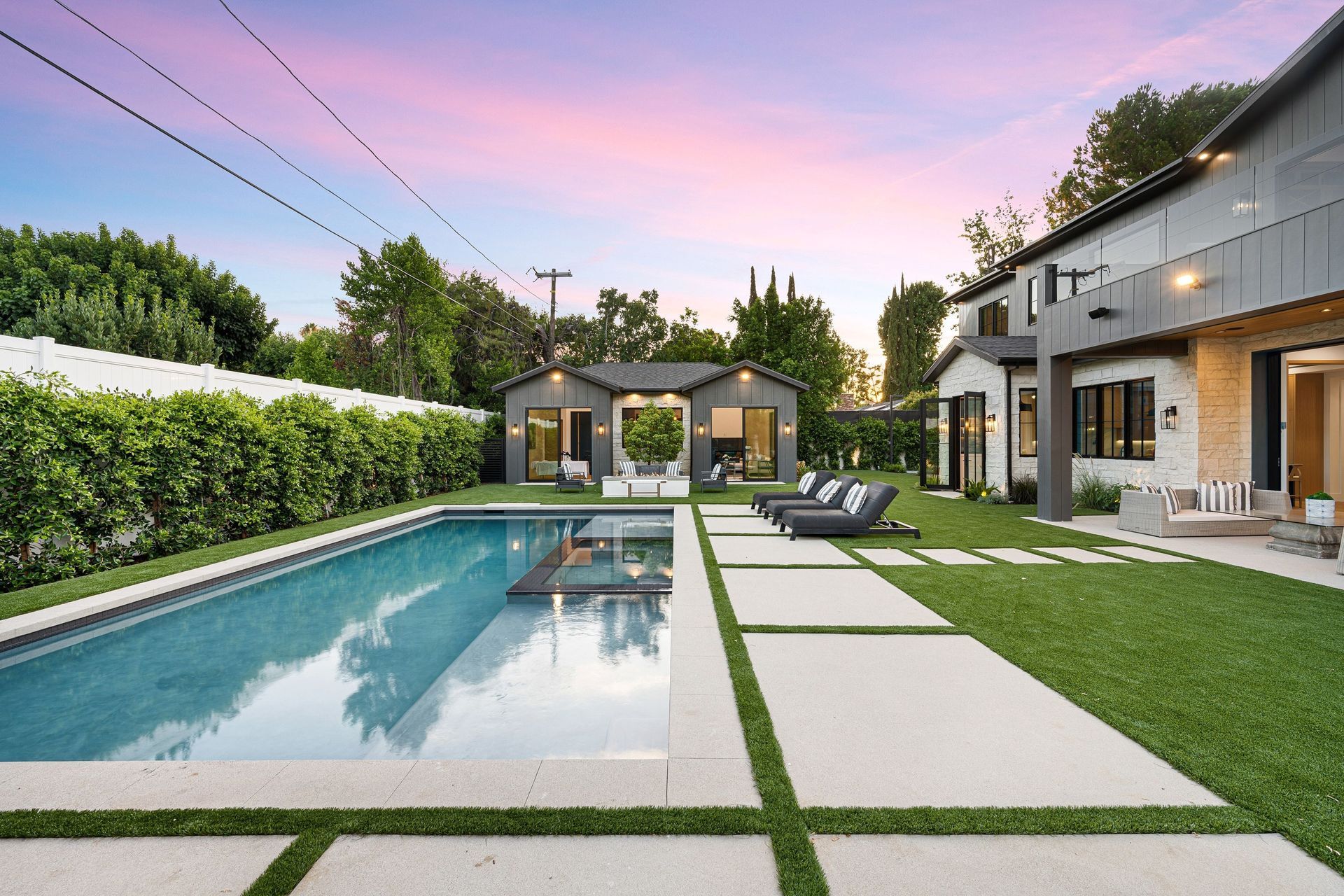
A completely separate, free-standing structure in your backyard. This is the most flexible ADU type but also the most expensive because you're building from scratch.
Best for: Homeowners with generous lot space who want maximum privacy, the largest possible ADU, and full design freedom.
Typical timeline: 10-16 months from design to completion
Typical size: 600-1,200 sq ft
What drives cost: New foundation, full framing, complete roofing, separate utility connections, site preparation and grading, landscaping around the new structure, and any required site work for hillside lots.
What ADUs Cost by East Bay City
ADU costs vary across the East Bay based on local labor markets, permit fees, typical finish levels, and site conditions (especially hillside terrain). Here's what a typical 600 sq ft detached ADU costs in different East Bay cities in 2026:
• Hayward: $280,000 - $360,000 (lower end of East Bay pricing; fewer hillside complications)
• Oakland: $290,000 - $400,000 (varies widely by neighborhood; hillside areas cost more)
• Berkeley: $310,000 - $425,000 (higher finish expectations; historic home considerations)
• Walnut Creek: $320,000 - $430,000 (mid-range East Bay pricing)
• Alamo: $340,000 - $475,000 (larger lots, higher-end finishes typical)
• Danville: $350,000 - $500,000 (luxury market expectations; Blackhawk adds 15-20%)
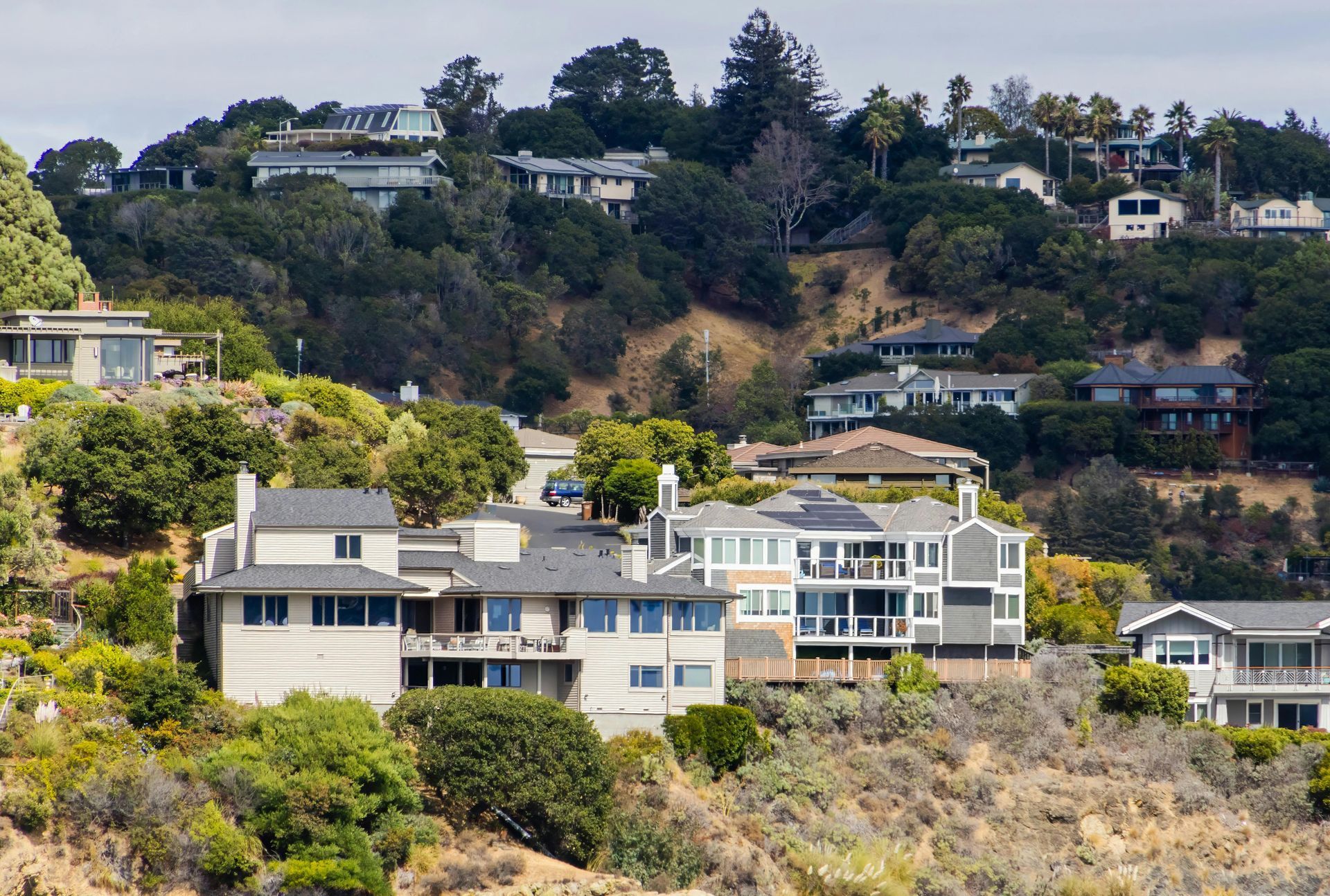
• Lafayette: $350,000 - $500,000 (Hillside Overlay District adds cost in most of the city)
• Moraga: $360,000 - $510,000 (hillside requirements, Scenic Corridor design standards)
• Orinda: $370,000 - $525,000 (most expensive East Bay market; hillside, fire zones, premium finishes)
These ranges include design, engineering, permits, and construction — but not optional upgrades like high-end appliances, custom built-ins, or extensive landscaping. Lamorinda (Lafayette, Moraga, Orinda) consistently runs 10-25% higher than the East Bay average because of hillside requirements, fire zone construction standards, and premium finish expectations.
The Hidden Costs Most Homeowners Miss
Most online ADU cost calculators show you "construction cost" — but the all-in cost of a real project includes expenses that often surprise homeowners. Here's what to budget for beyond the base construction price:
Design and Engineering ($8,000 - $25,000)
• Architectural plans: $5,000-$15,000
• Structural engineering: $2,500-$6,000
• Title 24 energy compliance reports: $500-$1,500
• Soils/geotechnical report (required on most hillside lots): $3,500-$8,000
• Survey (if property lines are unclear): $1,500-$3,500
Permits and City Fees ($5,000 - $25,000)
• Building permit fees: $2,000-$10,000
• Plan check fees: $1,500-$5,000
• School impact fees (for ADUs 750+ sq ft): $3,000-$8,000
• Sewer/utility connection fees: $2,000-$10,000
• Planning Department review fees: $500-$3,000
Smaller ADUs (under 750 sq ft) often qualify for reduced or waived impact fees under California state law — another reason to build strategically sized units.
Utility Connections ($5,000 - $35,000)
This is where hillside lots and long-distance utility runs get expensive. A detached ADU in the back corner of a large Lamorinda lot might need:
• Water line extension: $3,000-$10,000
• Sewer line connection (often the most expensive): $5,000-$20,000
• Electrical service upgrade and trenching: $5,000-$15,000
• Gas line extension (if the ADU uses gas): $2,000-$6,000
Garage conversions and attached ADUs usually tie into existing utility lines, dramatically reducing these costs.
Site Preparation and Landscaping ($3,000 - $40,000)
• Grading and excavation (especially for hillside lots): $5,000-$25,000
• Retaining walls (common in Lamorinda): $5,000-$30,000
• Driveway or pathway to ADU: $3,000-$15,000
• Landscaping and restoration after construction: $5,000-$20,000
Realistic ADU Timeline from Start to Finish
Here's what a typical East Bay ADU project looks like from first consultation to move-in:
Phase 1: Design and Planning (2-4 months)
• Initial site visit and feasibility review
• Conceptual design (2-3 rounds of revisions is typical)
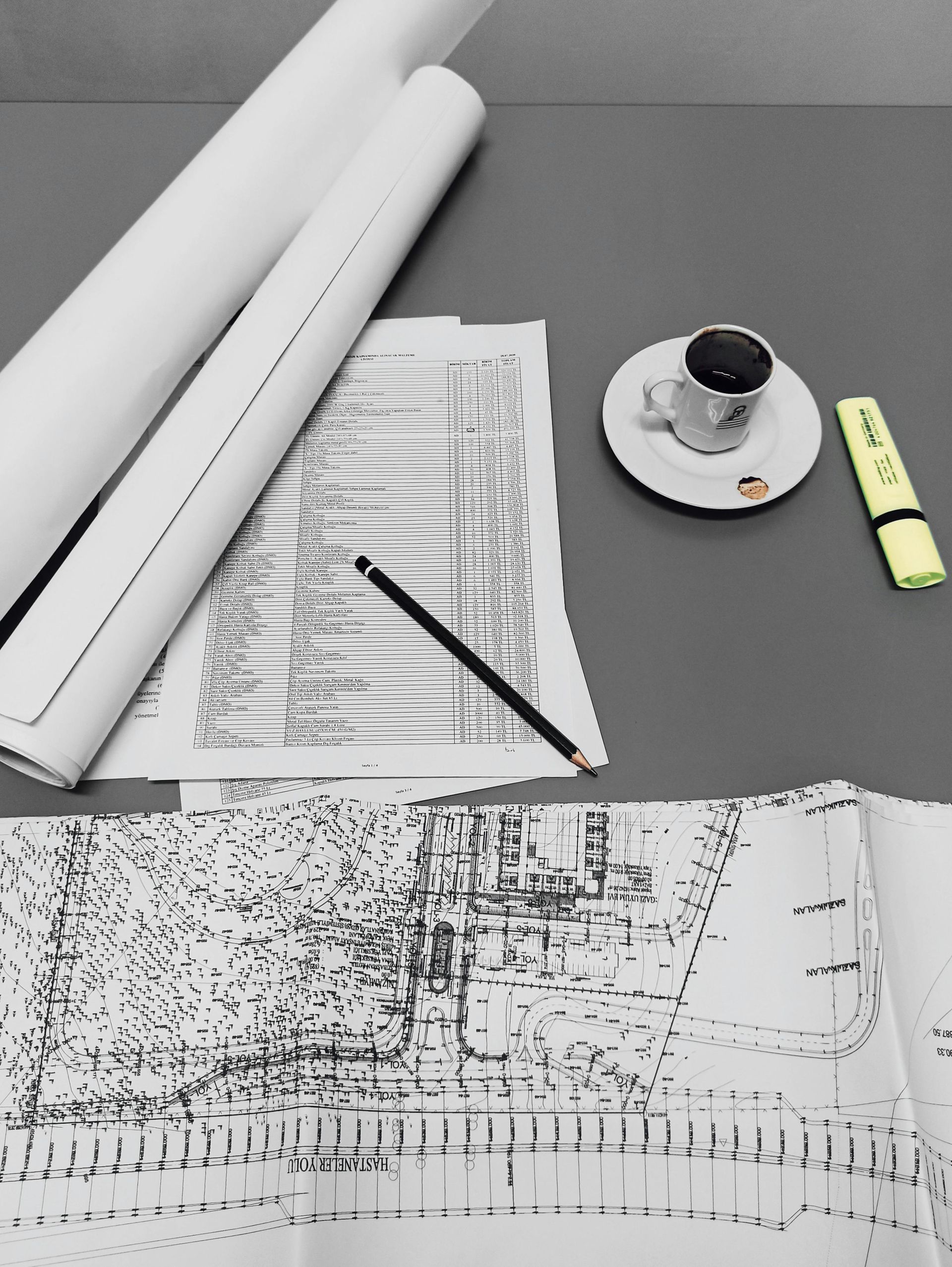
• Architectural drawings and structural engineering
• Title 24 energy calculations
• Soils report (if required)
• HOA approval (if applicable)
Phase 2: Permitting (2-4 months)
• City Planning Department review (1-2 months for simple ADUs; longer for hillside or design review projects)
• Contra Costa County Building Department review (6-8 weeks)
• Plan corrections and resubmissions (2-4 weeks)
• Final permit issuance
California state law requires ADU permits to be approved or denied within 60 days of a complete application. If a city misses this deadline, the permit is automatically deemed approved.
Phase 3: Construction (4-8 months)
• Site preparation and foundation: 3-6 weeks
• Framing and roofing: 4-6 weeks
• Mechanical, electrical, plumbing rough-in: 3-4 weeks
• Insulation, drywall, and interior finishes: 6-10 weeks
• Cabinets, countertops, fixtures, flooring: 4-6 weeks
• Final inspections and certificate of occupancy: 2-4 weeks
Total Realistic Timeline
• Junior ADU: 3-5 months
• Garage conversion: 6-10 months
• Attached ADU: 8-12 months
• Detached ADU: 10-16 months
• Hillside detached ADU: 14-20 months
How to Pay for an East Bay ADU
ADUs are expensive. Most East Bay homeowners don't have $300,000-$500,000 sitting in a checking account. Here are the most common ways to finance an ADU:
Home Equity Line of Credit (HELOC)
The most flexible option. You borrow against your home's equity and pay only on what you use. East Bay homes have appreciated significantly over the past decade, so many homeowners have substantial equity available. HELOCs typically have variable rates and a 10-year draw period.
Cash-Out Refinance
Refinance your existing mortgage for a larger amount and take the difference in cash. Best if your current mortgage rate is higher than current rates. Less favorable if you'd be giving up a sub-4% mortgage from 2020-2021.
Construction Loans
Short-term loans that cover the ADU construction and convert to a permanent mortgage when complete. More complex to qualify for but often the right choice for larger detached ADU projects.
Renovation Loans (FHA 203k, Fannie Mae HomeStyle)
Government-backed loans that wrap the ADU cost into your mortgage. Stricter requirements but good for homeowners with less existing equity.
Using Projected Rental Income to Qualify
Some lenders now allow you to qualify for a larger loan using the projected rental income from your ADU. This is called "accessory income" qualification and has become more common since 2022. It can add $30,000-$60,000 to what you can borrow.
What You Can Actually Rent an East Bay ADU For
Rental income is the #1 reason East Bay homeowners build ADUs. Here's what well-finished one-bedroom ADUs are currently renting for (as of early 2026):
• Hayward: $1,900-$2,600/month
• Oakland (depending on neighborhood): $2,100-$3,400/month
• Berkeley: $2,400-$3,600/month
• Walnut Creek: $2,300-$3,200/month
• Danville/Alamo: $2,500-$3,500/month
• Lafayette: $2,800-$3,800/month
• Moraga: $2,600-$3,500/month
• Orinda: $2,800-$4,000/month
Studio units typically rent for $400-$800 less than one-bedrooms. Two-bedroom ADUs (when lot size permits) rent for $400-$900 more than one-bedrooms.
Payback Period Math
Here's what the numbers look like on a typical East Bay ADU project:
• $175,000 garage conversion renting for $2,600/month: Payback in 5.6 years (not counting property value increase)
• $350,000 detached ADU renting for $3,200/month: Payback in 9.1 years
• $450,000 Lamorinda detached ADU renting for $3,800/month: Payback in 9.9 years
These numbers don't account for vacancy (typically 5-8%), maintenance (roughly 1% of ADU value per year), property management (8-10% if you don't self-manage), or tax benefits (depreciation over 27.5 years on the rental portion).
Even with these costs factored in, most East Bay ADUs pay themselves off in 10-12 years while adding $150,000-$300,000+ to property value.
Common ADU Mistakes That Blow Up Budgets
1. Skipping the Feasibility Study
Not every lot can support a detached ADU. Soil conditions, utility distances, easements, setback requirements, and tree protection rules all affect whether your project is viable. A $500 feasibility consultation upfront can save you from a $50,000 mistake later.
2. Underestimating Utility Connection Costs
A detached ADU 150 feet from your main house is a vastly different project than one 30 feet away. Running water, sewer, and electrical lines across a long lot can add $20,000-$30,000 to project costs. Get utility routing scoped early.
3. Ignoring Local Design Standards
While California state law limits what cities can require, Lamorinda cities (Orinda, Lafayette, Moraga) still have design review standards that affect ADU appearance. Don't assume state law overrides every local rule — it doesn't.
4. Choosing a Contractor Without ADU Experience
ADU permitting and construction have specific requirements that general remodeling contractors may not know. Ask any contractor: how many permitted ADUs have you completed in the last 3 years? In what cities? References from recent ADU projects matter more than overall remodeling experience.
5. Building the Wrong Size for Your Goals
A 450 sq ft ADU avoids school impact fees and permits faster. A 750+ sq ft ADU triggers those fees but commands significantly higher rent. Do the math on your specific goals before choosing a size.
6. Not Planning for Rental from Day One
If you plan to rent, design with tenants in mind: separate entrance, private outdoor space if possible, sound insulation from the main home, mail delivery options, and parking considerations. Retrofitting these later is expensive and sometimes impossible.
Special Considerations for Lamorinda ADUs
If you're building an ADU in Orinda, Lafayette, or Moraga, your project has some unique considerations that don't apply to ADUs in flatter East Bay cities:
Hillside Construction
Most Lamorinda lots have some slope. If your proposed ADU site has a slope greater than 15% in Orinda or 20% in Moraga, you'll need a Hillside Grading Permit and a geotechnical soils report. This adds 4-8 weeks to the permit timeline and $3,500-$8,000 to soft costs.
Fire Zone Requirements
Most of Lamorinda is in a Wildland-Urban Interface (WUI) zone. Your ADU needs Class A roofing, ember-resistant attic vents, tempered glass windows, and fire-resistant exterior materials. These requirements add 5-15% to construction costs but are non-negotiable.
Tree Protection
Lafayette and Moraga have strict tree protection ordinances. Removing or significantly impacting a protected tree requires a Tree Permit. Construction that damages a protected tree (even inadvertently, through excavation near the root zone) can result in $5,000+ fines per tree.
HOA Approval
Orinda Country Club, Moraga Country Club, Campolindo, and many other Lamorinda HOAs require architectural committee approval before the city will process your permit. This can add 6-12 weeks to the front end of your project.
Why Work with Takoda Construction for Your East Bay ADU
Takoda Construction has been building East Bay homes since 1999. We're fully licensed (CSLB #765383), bonded, and insured, and we've completed ADU projects across Orinda, Lafayette, Moraga, Walnut Creek, Danville, Oakland, Berkeley, Hayward, and surrounding communities.
When you work with Takoda on an ADU project, we handle:
• Initial site feasibility review to confirm your project is viable before you invest in design
• Architectural drawings and structural engineering through our trusted design partners
• All permit submittals — city Planning, Contra Costa County Building, HOA approvals
• Full construction with our in-house crews and licensed subcontractors
• Fixed-price contracts so you know the real cost before work begins
• Final inspections and Certificate of Occupancy
• One-year workmanship warranty on all completed work
Ready to Explore an ADU on Your Property?
If you're thinking about an ADU in the East Bay, the best first step is a free feasibility consultation. We'll visit your property, assess site conditions, discuss your goals (rental income, family use, resale value), and give you a realistic cost estimate based on what's actually possible on your lot.
Call (925) 258-2425 for a free in-home consultation. No obligation, no pressure — just honest guidance from a licensed contractor who's built hundreds of East Bay projects over 25+ years.
Frequently Asked Questions About East Bay ADUs
Can I build an ADU on any East Bay property?
Most single-family residential properties qualify for at least one type of ADU under California state law. However, lot size, existing structures, utility access, setbacks, and site conditions (slope, trees, easements) all affect what's actually buildable. A feasibility study will confirm what your specific lot can support.
Do I need to live on the property to rent my ADU?
California state law has eliminated owner-occupancy requirements for most ADUs built after 2020. Some local nuances may still apply, so verify with your city. For JADUs specifically, owner-occupancy of either the main home or the JADU is typically required.
Can I short-term rent my ADU (Airbnb)?
This varies by city. Many East Bay cities have restrictions on short-term rentals of ADUs, particularly for stays under 30 days. Some cities prohibit short-term rentals of ADUs entirely. Check with your city's Planning Department before counting on Airbnb income.
What size ADU should I build?
Under California state law, ADUs up to 800 sq ft (in most jurisdictions) have guaranteed rights. JADUs are capped at 500 sq ft. Larger ADUs may be allowed depending on local zoning. The sweet spot for many East Bay homeowners is 600-750 sq ft — large enough to command good rent, small enough to avoid some impact fees.
Does an ADU increase my property taxes?
Yes, but only on the added value of the ADU itself — not a full reassessment of your existing home. Your existing home's Proposition 13 assessment remains intact. The ADU is assessed separately at market value upon completion.
Can I build an ADU with existing trees on my property?
Often yes, but Lafayette, Moraga, and other East Bay cities have tree protection ordinances. Trees within 10 feet of proposed construction typically require arborist review and may require a Tree Permit if they'll be impacted. Never remove a protected tree without a permit — fines can exceed $5,000 per tree.
How long does Takoda Construction's ADU process take?
For a typical detached ADU in the East Bay, we see projects run 12-16 months from our first consultation to final inspection. Garage conversions run 7-10 months. JADUs can complete in 4-6 months. Hillside or design-review-intensive projects take longer.
Related Reading
If you're planning an ADU or any other remodeling project in the East Bay, you may also want to read our complete guide to remodeling permits in Orinda, Lafayette & Moraga. It covers the full Planning Department and Contra Costa County Building Department process that applies to every ADU in Lamorinda.
This article was written by the team at Takoda Construction, licensed general contractors serving the East Bay since 1999. CSLB License #765383. All pricing and regulatory information is current as of April 2026. ADU costs and regulations change; always verify current requirements with your local Planning Department and consult a licensed contractor for a project-sp
You might also like
Takoda Construction Blog